
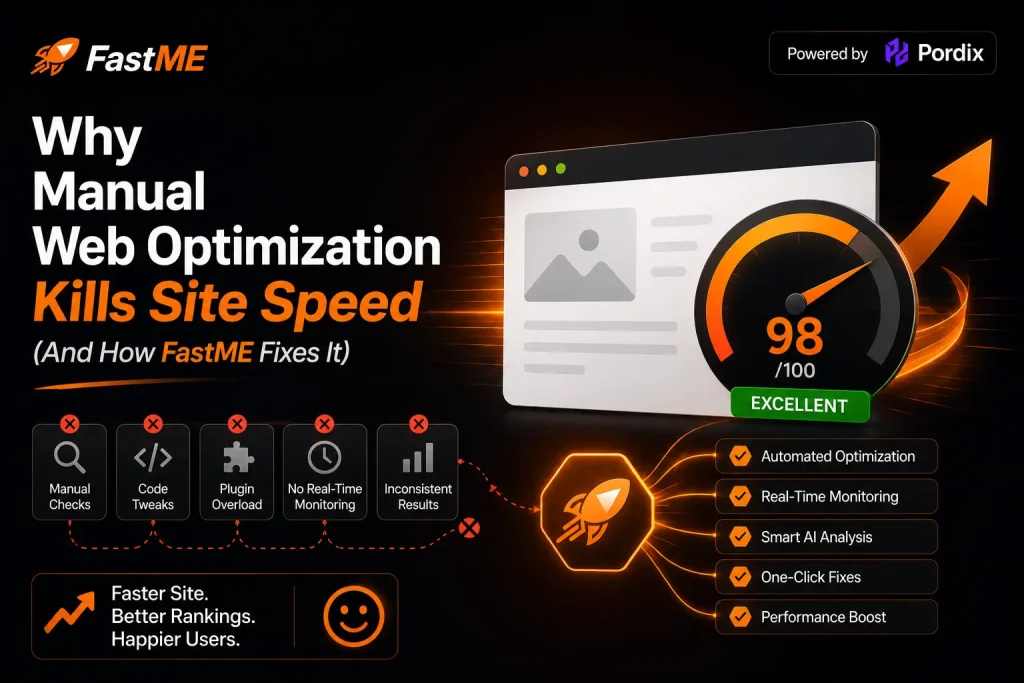
Why Manual Web Optimization Kills Site Speed (And How Fastme Fixes
Every month, tech teams waste hours chasing good speed scores. They delay scripts by hand, shrink large images, and rewrite CSS code. The site looks great in testing. But then marketing launches a new campaign or adds a tracking tag. Suddenly, the scores crash all over again.
The truth about modern websites is simple. Websites change constantly, but manual web optimization does not. Relying on manual site speed optimization tools and endless code fixes is no longer just slow. It actually costs you traffic and sales.
Here is why the old way of fixing web speed fails, and why automation using tools like FastMe, works much better.
The Complexity of Core Web Vitals in 2026
Why can’t humans keep up? Look at what search engines measure today. The rules for Core Web Vitals optimization go far beyond basic load times.
- Largest Contentful Paint (LCP): Shrinking images by hand works for simple blogs. But online stores and apps show custom content to every user. A human cannot predict and fix LCP elements instantly for every single visitor.
- Interaction to Next Paint (INP): Google now tracks the delay of every click or tap a user makes while on a page. No human can track and fix JavaScript delays across millions of unique visits. It is simply impossible.
- Cumulative Layout Shift (CLS): Modern sites use many outside scripts and dynamic ads. If you try to guess the exact size for every screen and ad by hand, your site code will likely break.
The Hidden Costs of Manual Tweaks
Sticking to manual work does not just hurt your search rankings. It wastes money and creates deep technical debt in SEO.
- The “Fix and Break” Cycle: Manual optimization works backward. A developer fixes a visual bug, which breaks a working script later on. This creates an endless cycle. Your team spends time patching bugs instead of building new features.
- The Resource Drain: Think about the hours your team wastes on shrinking files and delaying scripts. The hidden costs of website maintenance are huge. One-time page speed optimization services only offer a quick fix. The moment your site changes, that old audit is useless.
- The Speed-Traffic Link: A slow site drives traffic away. When site speed drops because of heavy code, visitors leave quickly. Search engines see this bad experience and push your page down in search results. This directly lowers your revenue.
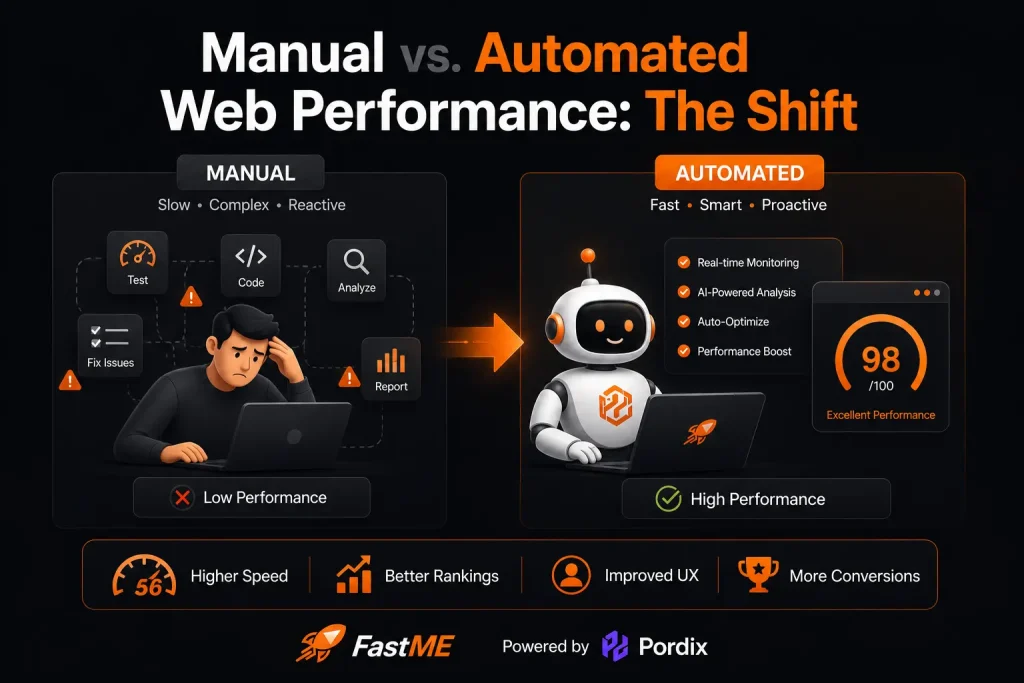
Manual vs. Automated Web Performance: The Shift
The modern web changes in real time. Developers cannot optimize for every phone, network, and browser by hand. This is why the industry is moving fast toward automated web performance.
You no longer need custom code for every new page. Today, AI site speed optimization engines read and adapt to site changes on their own. They use smart technology to load images and run scripts at the exact right time. This ensures every user gets a lightning-fast experience, no matter how complex the site is.
How to Future-Proof Your Site Speed (The Fastme Approach)
To grow your traffic, you must stop relying on one-time audits. You need performance updates that run continuously in the background. You need a system that does the heavy lifting for you.
This is exactly where Fastme helps. It improves performance so developers never have to edit theme code by hand. Fastme automatically delays heavy scripts, preloads important images, and loads fonts instantly. As an automated Core Web Vitals fix powered by Pordix, Fastme is the performance engine that runs your site smoothly.
Fastme works dynamically. As your website grows, adds features, or launches new ads, your speed scores remain stable and green. Search engines will love your site.
Real Results: The ROI of Automated Performance
When you replace endless manual fixes with smart automation, the results speak for themselves. Businesses that switch to automated infrastructure stop losing money to slow load times and start seeing real growth.
Here is what happens when engineering teams hand the heavy lifting over to Fastme:
- Zero Theme Edits Needed: “We stopped rewriting our theme code every single month. Fastme handles the script delays and image loading perfectly. Our team got 20 hours back each week to actually build new features.” — Lead Frontend Engineer.
- Instant Core Web Vitals Fix: “Our LCP and INP scores turned green overnight. More importantly, they stayed green even after we launched a heavy ad campaign with new tracking tags.” — Chief Marketing Officer.
- Traffic and Sales Growth: “A faster, stable site meant fewer people left our pages out of frustration. We finally stopped losing organic traffic to slow load times, and our sales went up.” — E-commerce Founder.
Real trust comes from stable, long-term performance. Automated systems prove their value by keeping your site fast day after day, without you having to lift a finger.
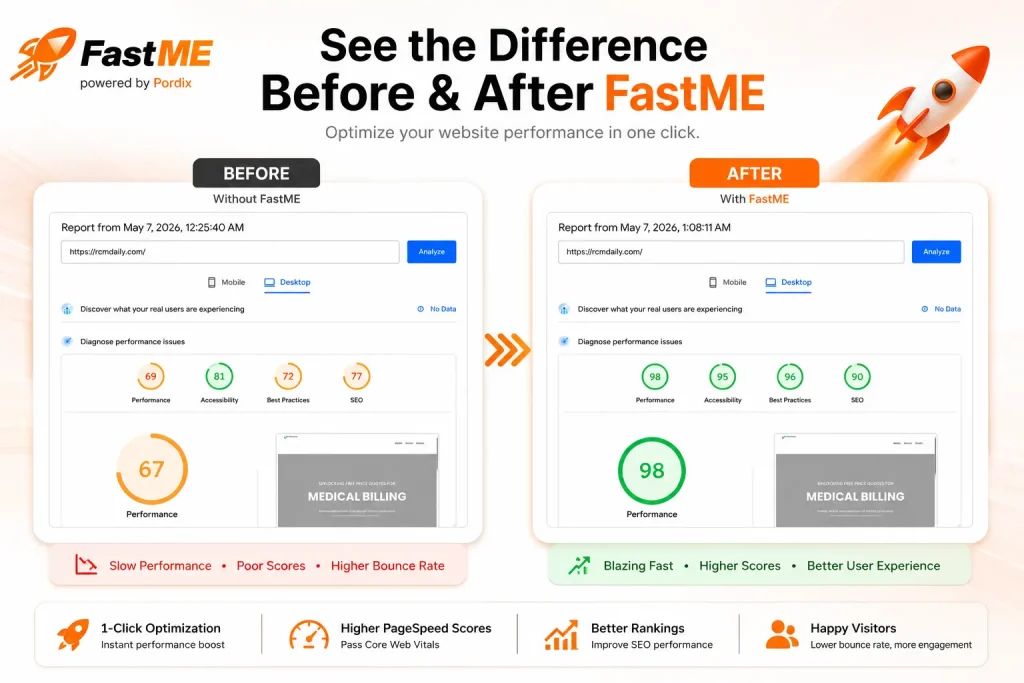
Stop Tweaking, Start Scaling
Manual optimization is a quick fix, not a long-term plan. Fixing performance bugs by hand drains your talent and slows your growth. Every hour spent finding a sudden drop in Core Web Vitals is an hour stolen from building new features. As your site grows with new content and third-party tools, relying on humans to fix speed is simply impossible to sustain.
It is time to audit your manual maintenance costs. Compare the true cost of endless coding fixes against the steady peace of mind a hands-off system brings. By shifting to an automated website performance infrastructure, you stop chasing algorithm updates. Instead, you deliver the flawless, high-speed experience that drives real traffic and sales. Take away the stress of constant code updates, and your business gains the freedom to grow fast without fear.
FAQs
Q. Why does my site speed keep dropping after I fix it manually?
Manual optimization is static, but your website is dynamic. Every time you add a new marketing tag, update a third-party script, or upload new content, it can break your previous speed fixes. This creates a constant “fix and break” cycle where manual code adjustments cannot keep up with ongoing site changes.
Q. How does Fastme improve Core Web Vitals automatically?
Fastme, powered by Pordix, acts as a dynamic performance engine that requires zero manual code editing. It uses intelligent automation to instantly delay heavy third-party scripts, preload essential images, and deliver fonts efficiently. This ensures your Core Web Vitals stay green, even as your site traffic and content scale
Q. What is Pordix and how does it help digital growth?
Pordix is a SaaS AI automation tool builder that provides an entire ecosystem of software products designed to streamline your workflow. Rather than relying on scattered plugins, Pordix offers interconnected tools for technical SEO auditing, performance optimization, and intelligent content automation to drive consistent, scalable growth.
Q. Why is AI better than human developers for site speed optimization?
Developers cannot manually predict network conditions, browser types, and device limits for every single visitor in real time. AI site speed optimization systems continuously monitor these variables and adjust how a page loads on the fly, delivering a perfect experience to every user without wasting costly engineering hours.
Q. Will automated web performance save my business money?
Yes. Relying on manual page speed optimization services creates hidden maintenance costs and technical debt. By shifting to an automated infrastructure, you eliminate the constant need for developers to rewrite code and patch speed bugs. This frees up your team to build revenue-generating features while protecting your search rankings and traffic.